
Day 6 – Thursday
This morning, we ventured not too far afield from Bordeaux, visiting two exceptional wineries before settling in at the château of a third, which was our home for the night.
Château Pape Clement
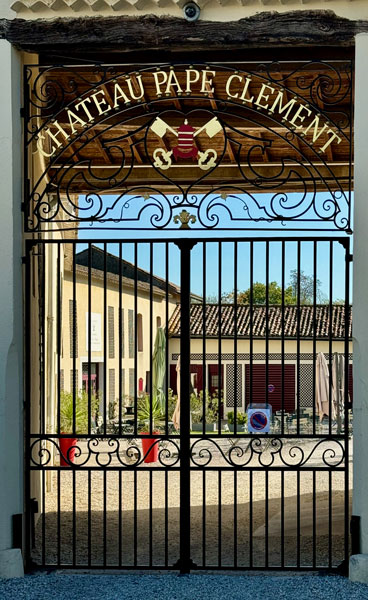
Our first stop, Château Pape Clement, was less to taste wine than to tour the grounds. But first, the story behind the name. In 1300, the estate was presented to the newly-appointed archbishop of Bordeaux, Bertrand de Goth. It was he who planted the first vines. Then, in 1305, he was elected to the papacy. The château’s name is derived from Bertrand’s papal name, Pope Clement V. (It was he who moved the papacy to Avignon, France.) The vineyard remained in the possession of succeeding Bordeaux archbishops until the Revolution, when it was nationalized and sold.
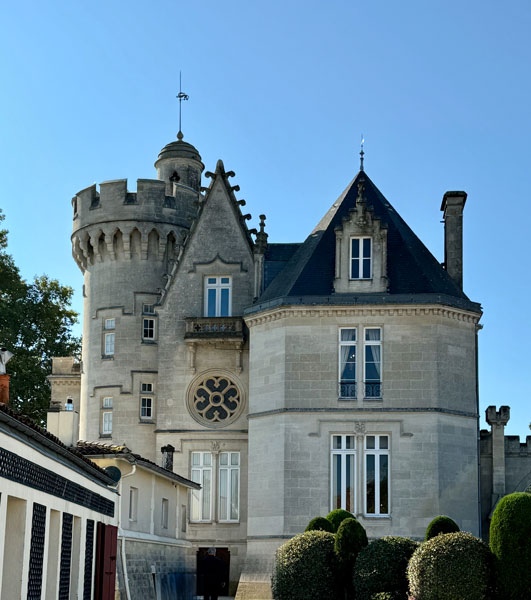
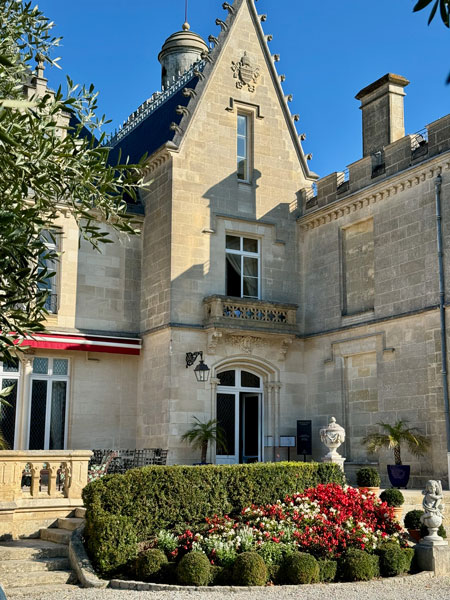
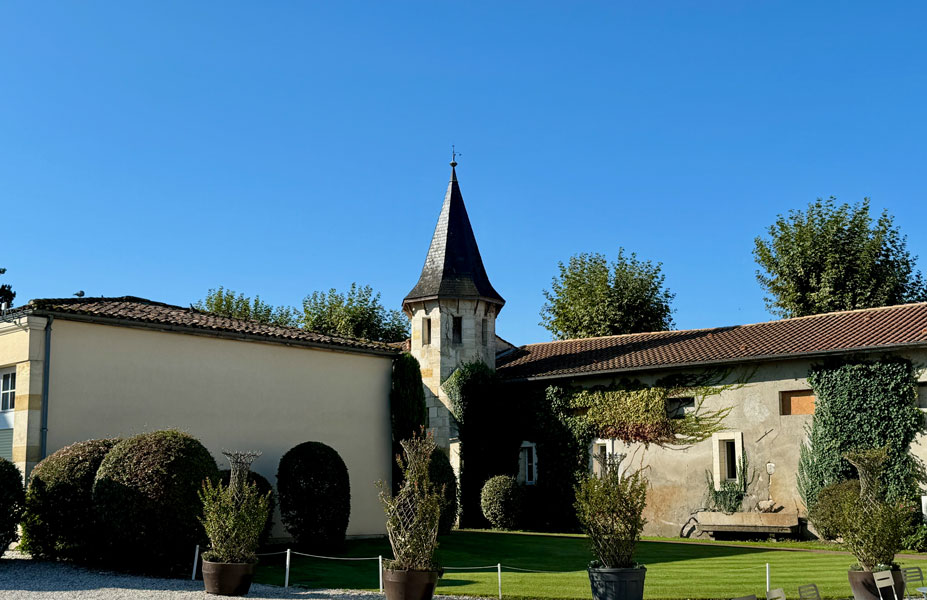
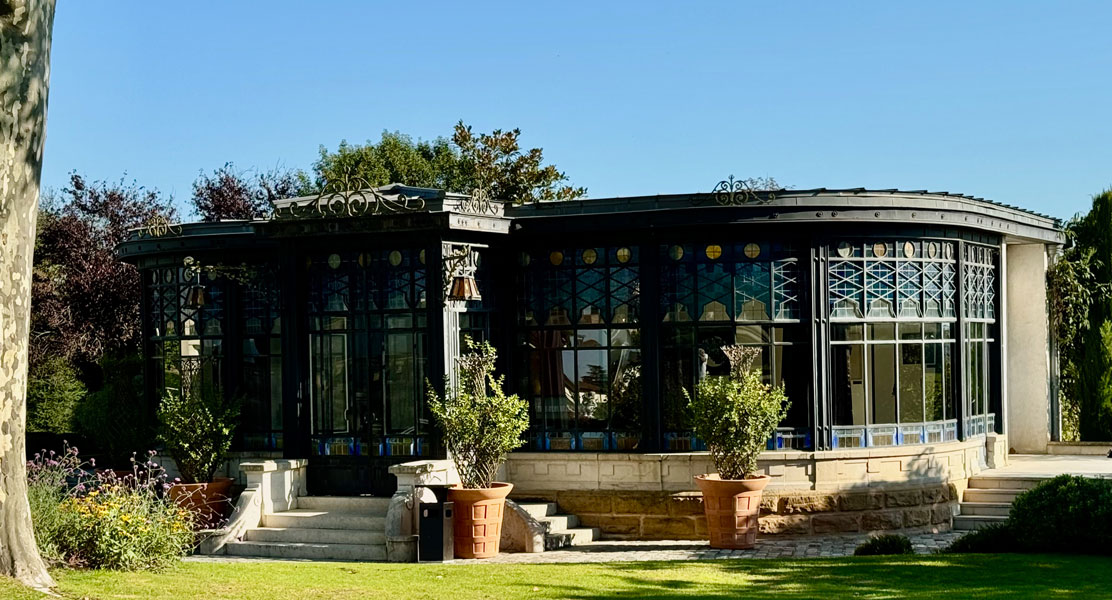
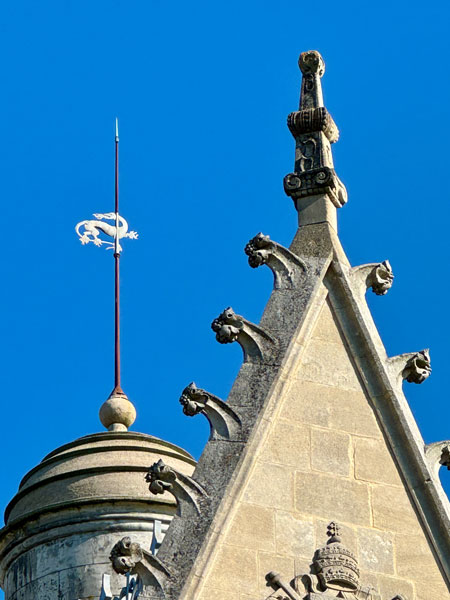
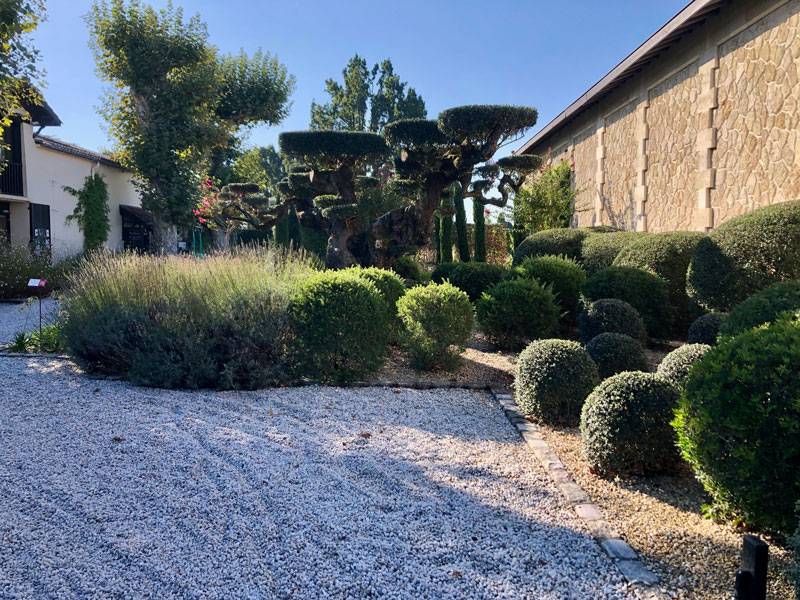
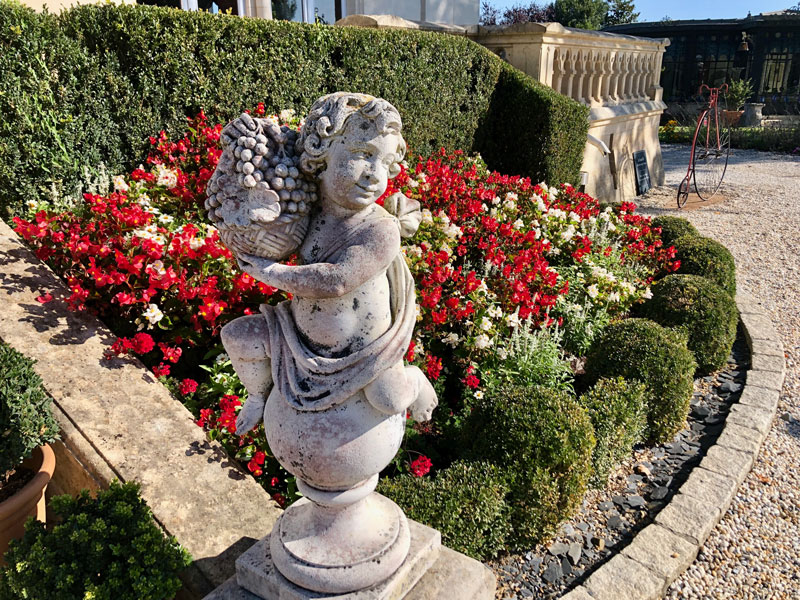
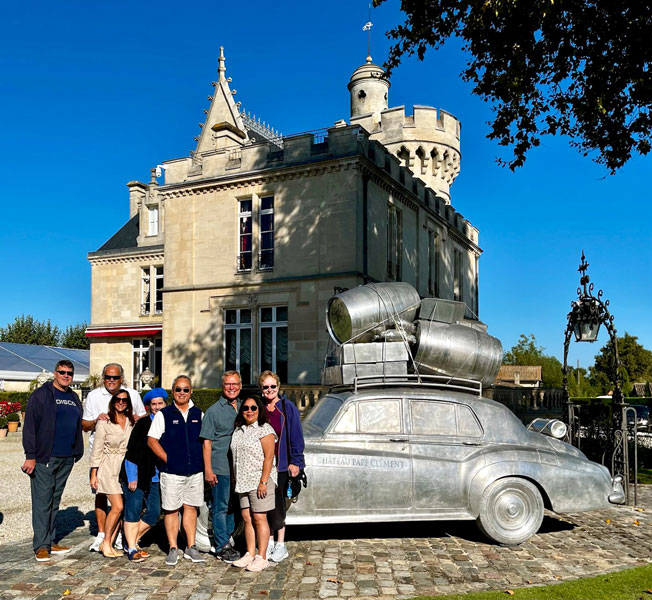
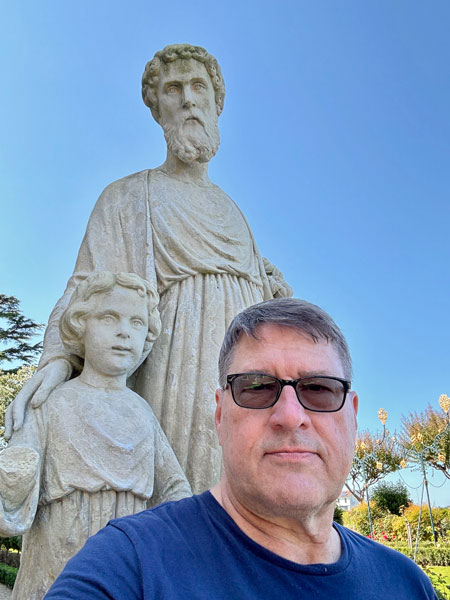
To view the property, we exited the wine and gift shop and crossed a stone-covered courtyard festooned with topiary and meticulously manicured shrubbery. Passing through this flora gauntlet, we continued around to the front of the château as the view unfolded before us. (BTW, the château itself is available for overnight stays. Someone was checking out when we were there.) The château’s front terrace overlooks the entire landscape. Off to one side, just beyond the stainless steel Rolls Royce folly, is a Beaux Arts orangery that one owner purchased and had moved from Paris…because he liked it. To the other side, a spired turret overlooks a sun-drenched formal lawn embraced on three sides by the château. In front of the terrace, a smirking stone cherub proudly shows off their grapes, a reminder of where you are.
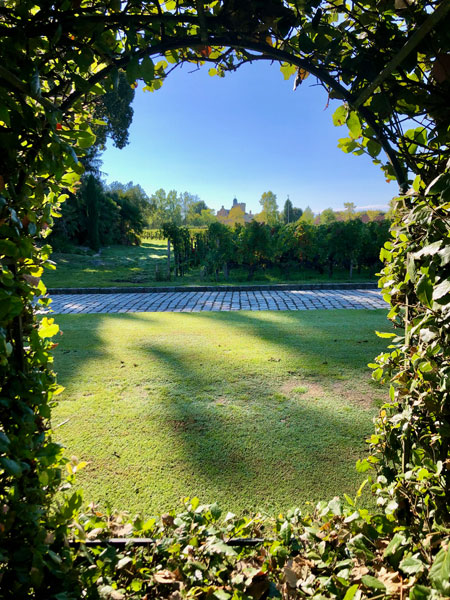
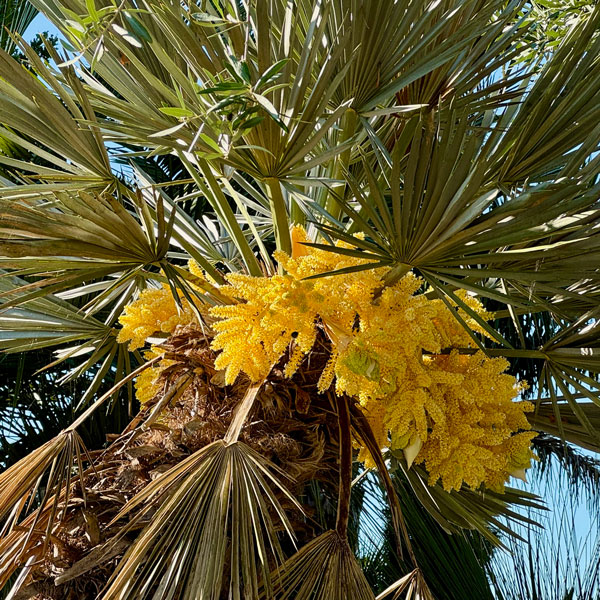
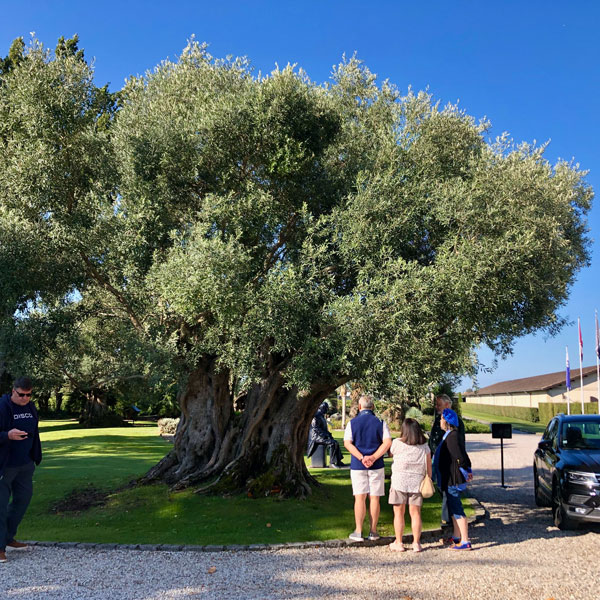
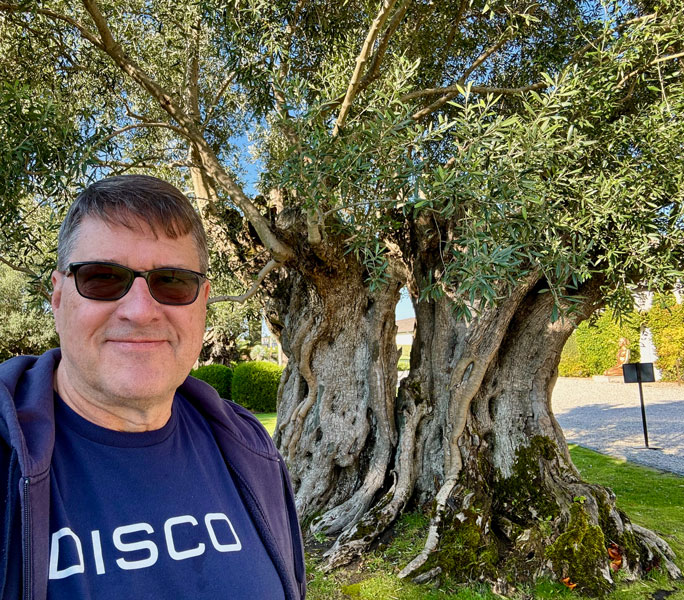
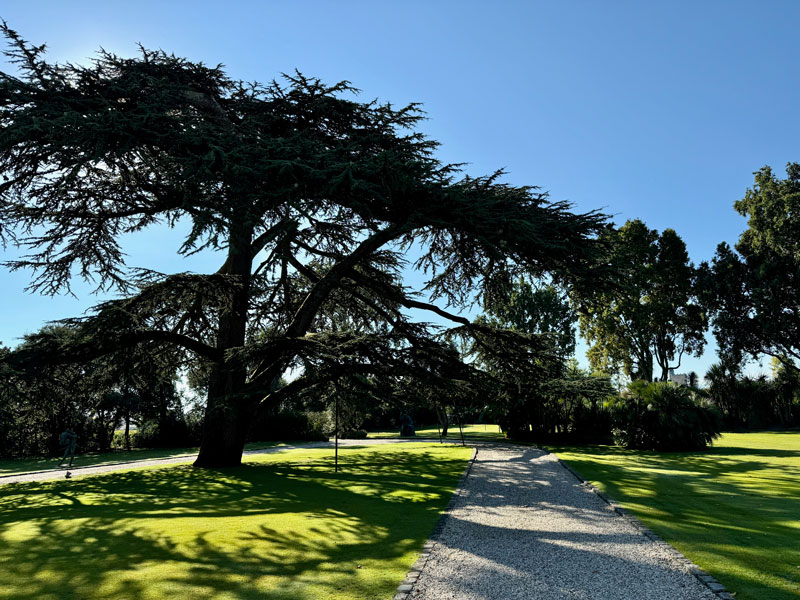
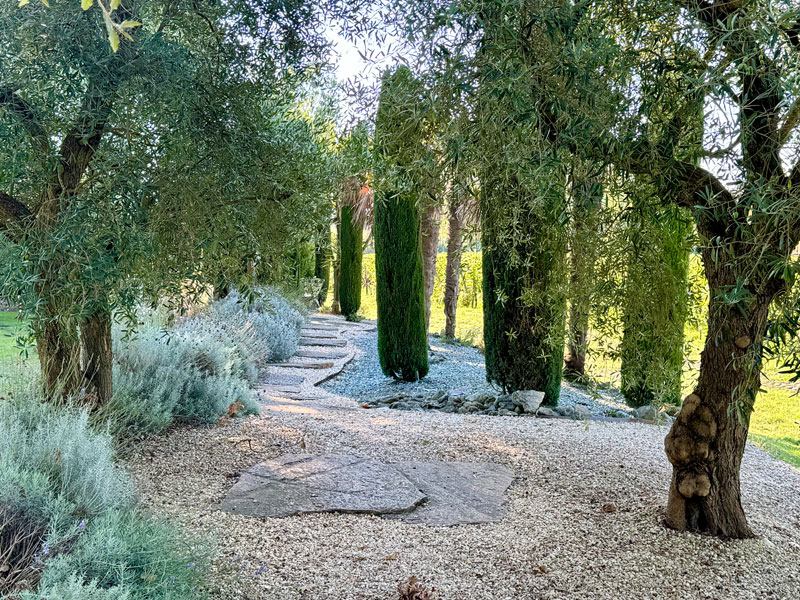
Among the singular trees and plants discovered while wandering the lawn and the meandering vineyard border path was a flowering palm tree and an ancient olive tree. Marveling at the brilliant yellow blossoms, none of us was aware that palm trees even flowered. And there was a story board for the olive tree…in four languages. Originally planted in 193 AD (over 1,830 years ago), this gnarly-trunked tree was around to witness the murder of the Roman Emperor Pertinax and the subsequent civil war of succession.
Before leaving the grounds, we all congregated in a shrub-enclosed rectangular herb garden dominated by a modernist sculpture of Christ sans the cross that 1) gave access to restrooms; and, 2) fronted another meeting facility of the winery. While we regrouped, Dan saw people exiting the meeting room and seized on this opportunity to sneak us into the “Pope Clement Artifacts Museum and Tasting Centre” (not its real name). We had a few minutes to see the displays of monstrances and chalices, chasubles and vestments, mitres and crooks and other assorted papal paraphernalia it housed before we were summarily escorted out to accommodate a tsunami of incoming suits.
Everyone regrouped in the wine and gift shop before heading to the next stop, Château Haut-Brion.
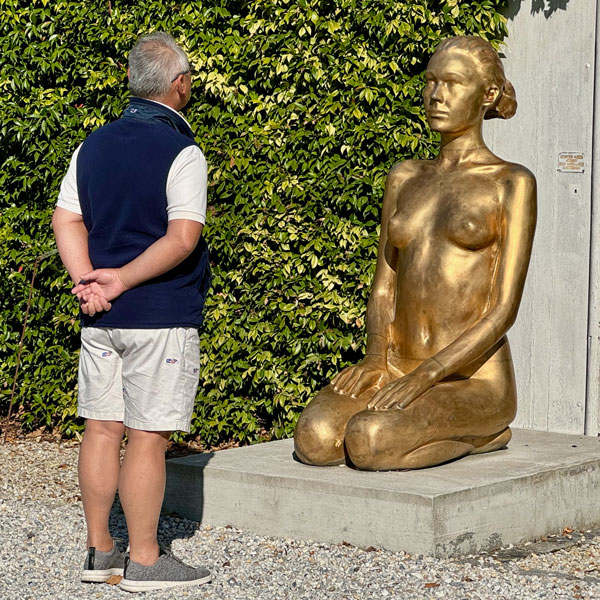
Château Haut-Brion
Before and during this trip, we have heard a lot about Napoleon III’s attempt to quantify the quality of Bordeaux wine for promotional purposes, the Classification of 1855. For an almost 175 year old list, it still carries a lot of weight in the wine world today. So, as promised, here’s an “elevator pitch” history.
The Bordeaux Classification of 1855
In 1855, Napoleon III, emperor of France, decided to throw a Universal Exposition in Paris and wanted all the country’s wines represented. The Bordeaux Chamber of Commerce, in planning their exhibit, asked the Syndicat of Courtiers, a group of wine merchants, to draw up “an exact and complete list of all the red wines of the Gironde that specifies in which class they belong.” Two weeks later, they turned in their famous list, the Classification of 1855. It included 58 châteaux: four first growths, twelve seconds, fourteen thirds, eleven fourths and seventeen fifths. With some revisions*, the list still holds sway today.
Curiously, all of the selections came from the Médoc region of the Left Bank, with the single exception of Haut-Brion. Despite its location in the Graves region, Haut-Brion was nonetheless classified as one of the four Première Cru or first growths.
Our visit here was to check out the remodeled visitor’s center-tasting room-wine cellar-retail outlet, a beautifully-appointed stand-in for the original château, which is undergoing major renovations. Unfortunately, no wine was tasted here. We headed “across the street.”
*In 1973, after vigorous petitioning, the Château Mouton-Rothschild, yesterday’s winery, was elevated to Premières Crus status bringing the number of first-growths on the list to five.
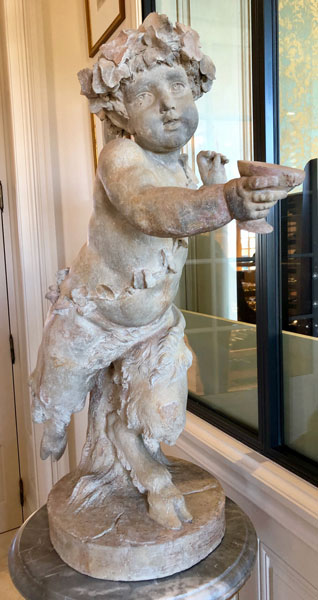
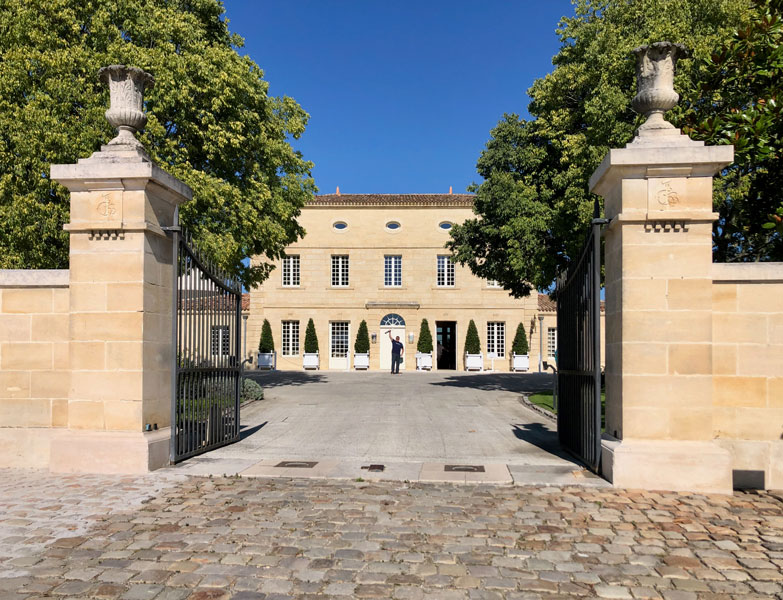
Château La Mission Haut-Brion
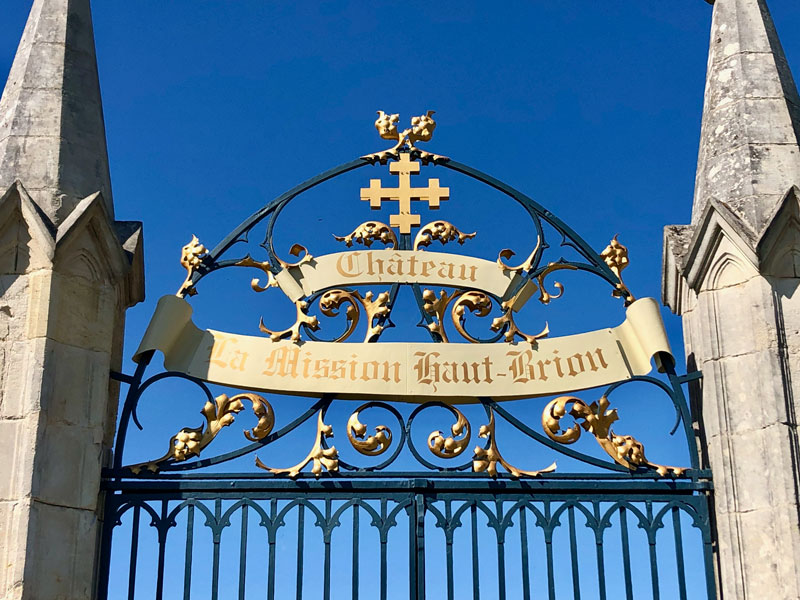
Château La Mission Haut-Brion is the adjacent sister winery of Château Haut-Brion. While their properties share a border road and a moniker, Château La Mission Haut-Brion’s wines are unique to their estate and highly-prized in their own right.
A bit of history: after years of family ownership, the estate was bequeathed in 1682 to the Lazarists Fathers, an order founded by St. Vincent de Paul. The priests cultivated grapes here for nearly 130 years, until the French Revolution and their expulsion, leaving behind monastic foundations that were confiscated by the state. The estate was sold at auction to a Bordeaux businessman, the first in a string of different owners until, in 1983, it was purchased by and added to the portfolio of Domaine Clarence Dillion, parent company of Haut-Brion among others. This historic château was to be our last over night “residence” in Bordeaux.
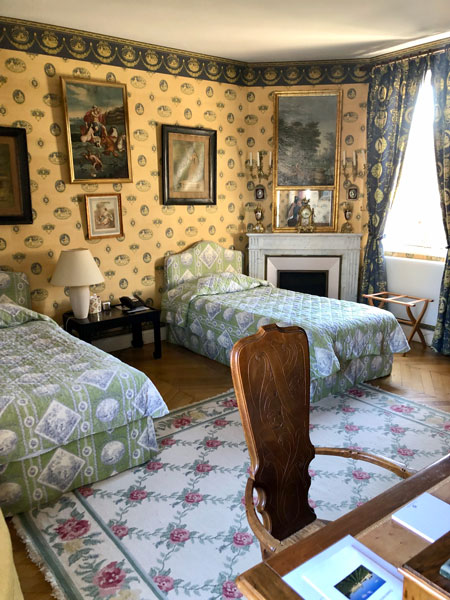
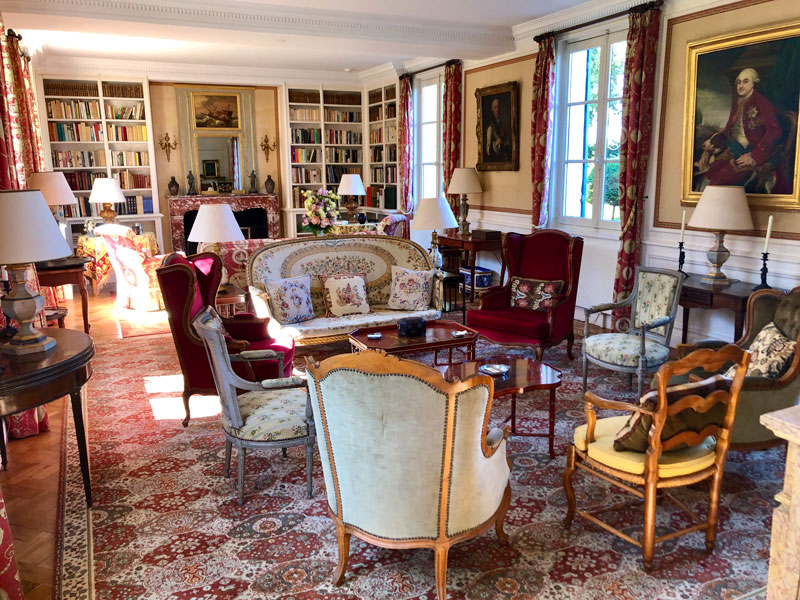
Upon arrival, we scurried in and about the house, wide-eyed and overwhelmed by the opulent decor. Then it was back to the cars to retrieve and deposit our luggage in our assigned quarters. We had a little get-together in the parlor/sitting room where Dan reviewed the “non-agenda” for the rest of the day before releasing us to explore the grounds. Off we went, camera phones in hand.
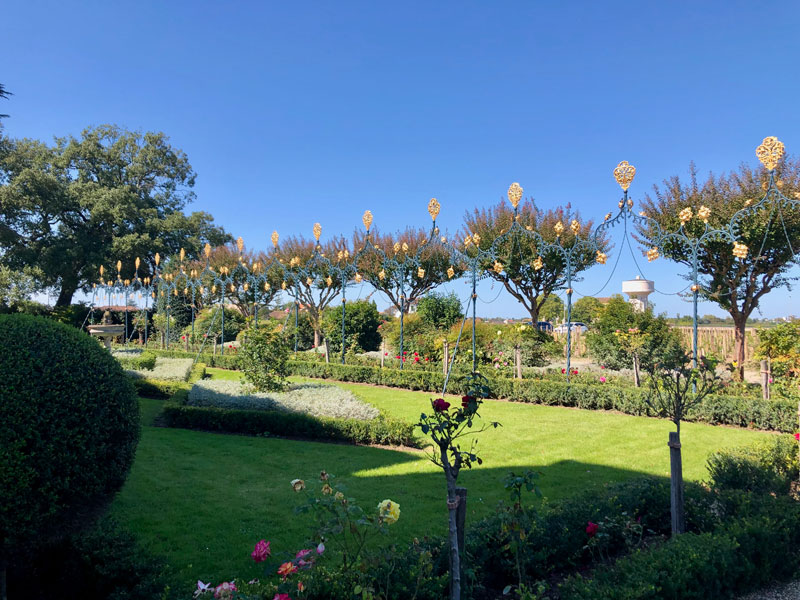
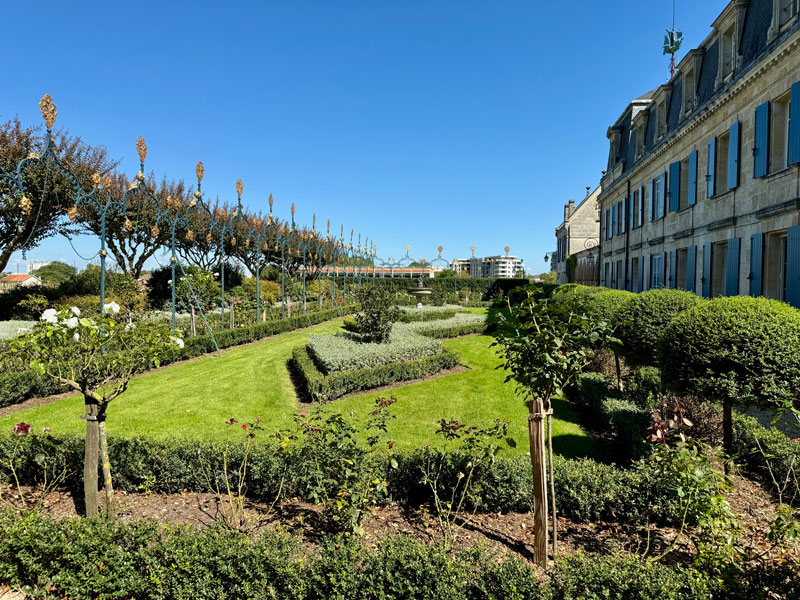
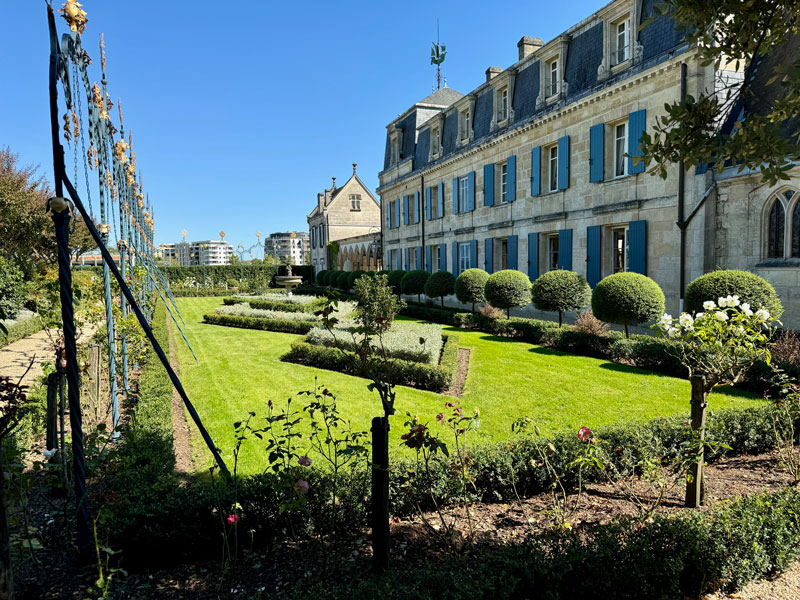
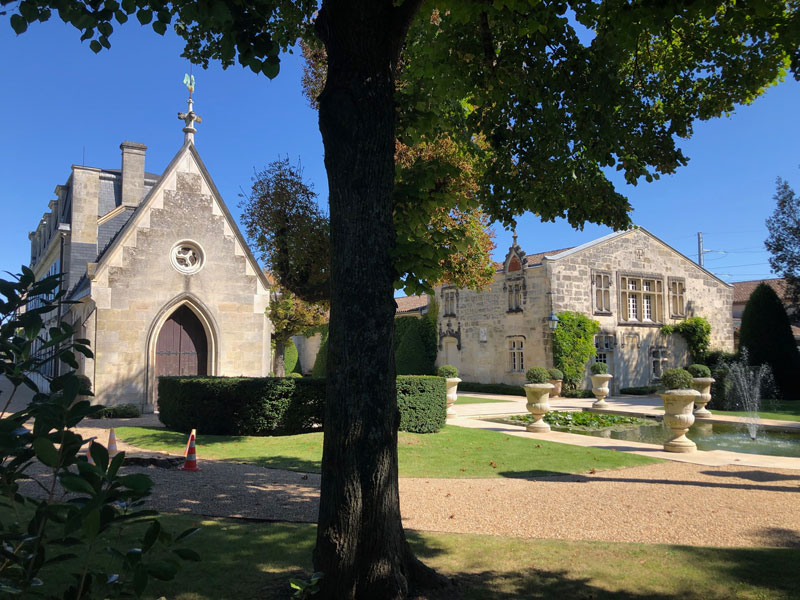
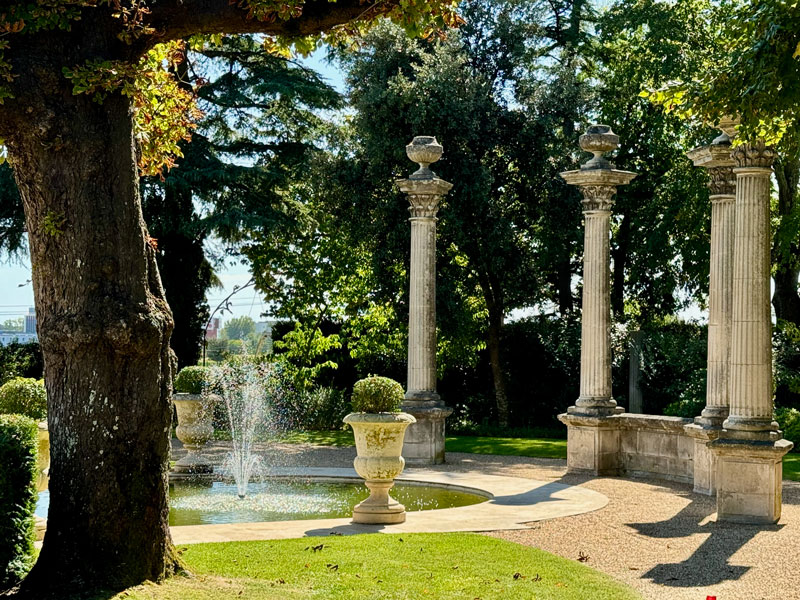
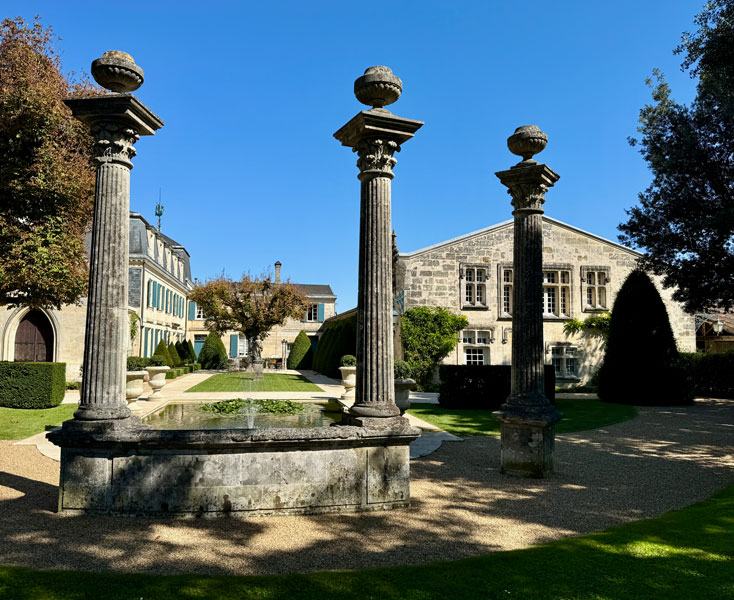
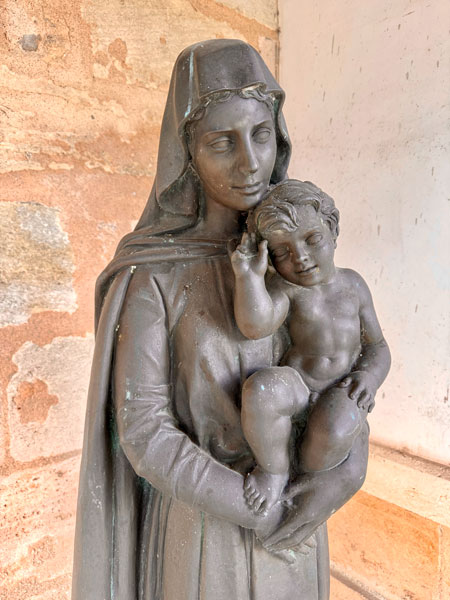
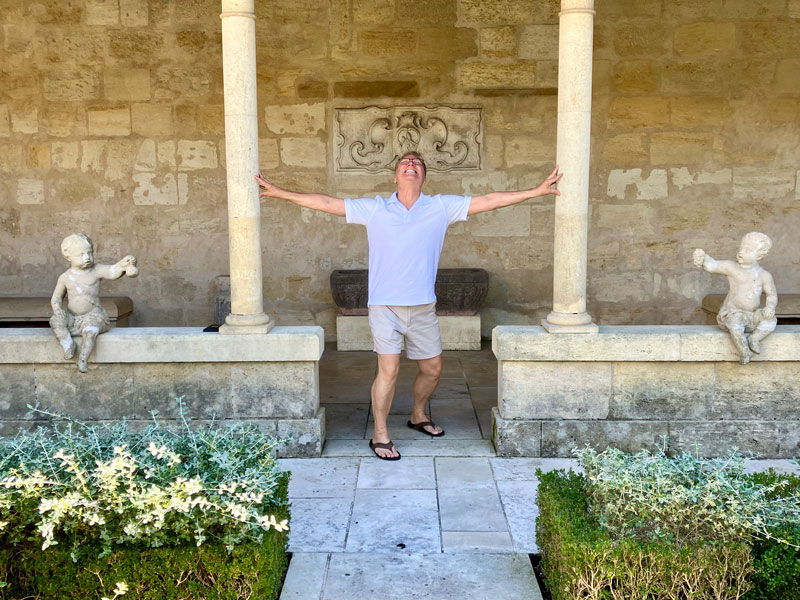
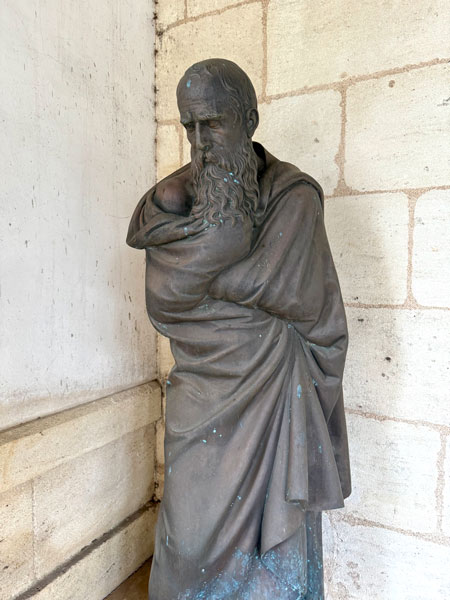
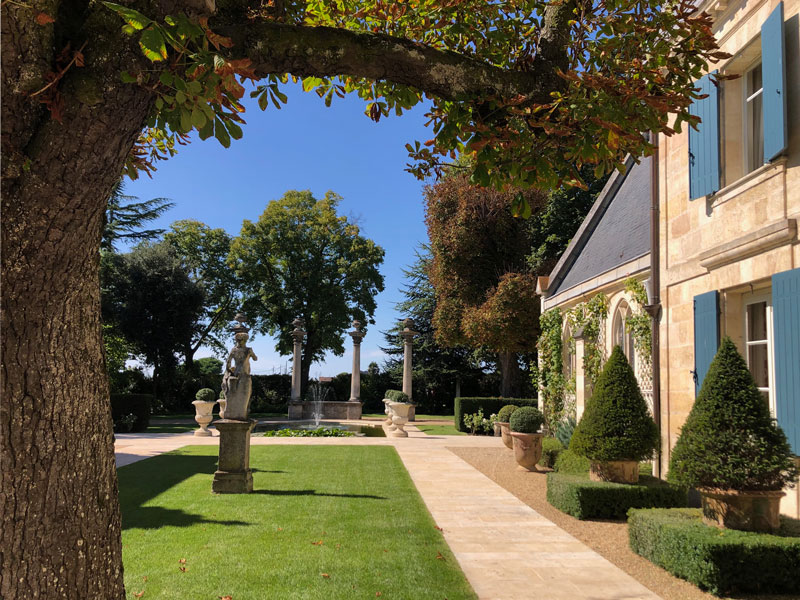
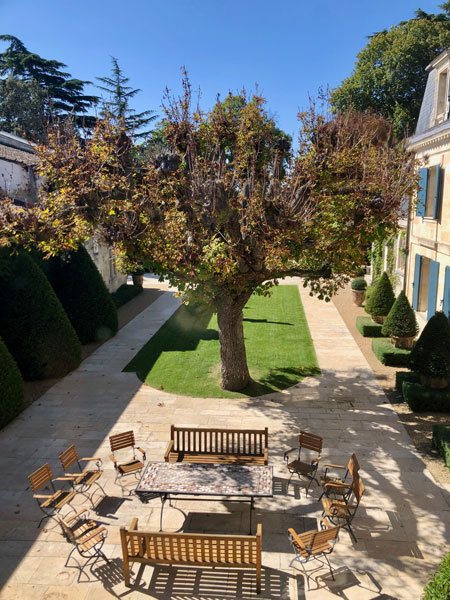
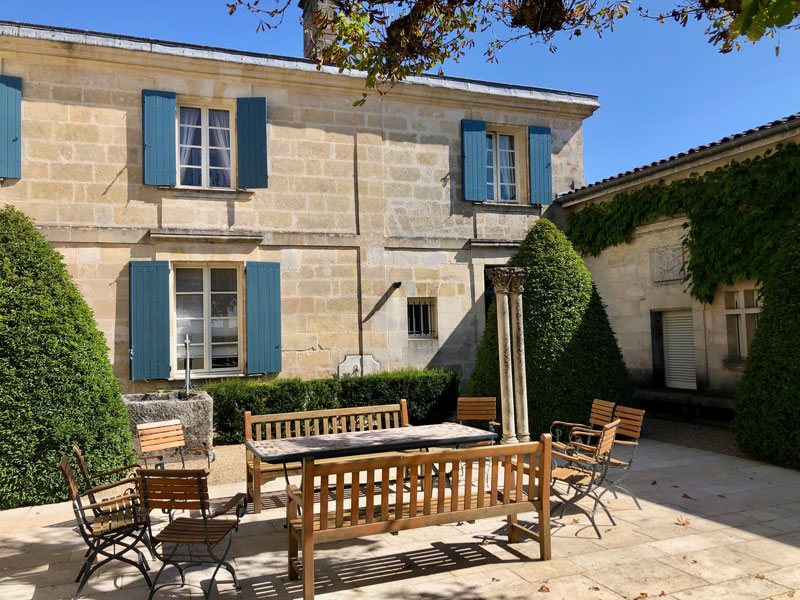
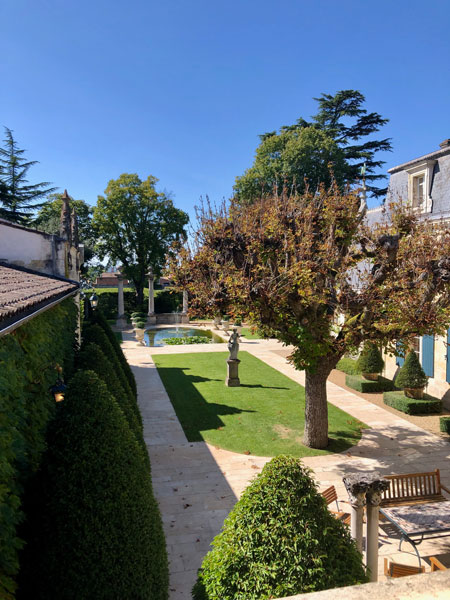
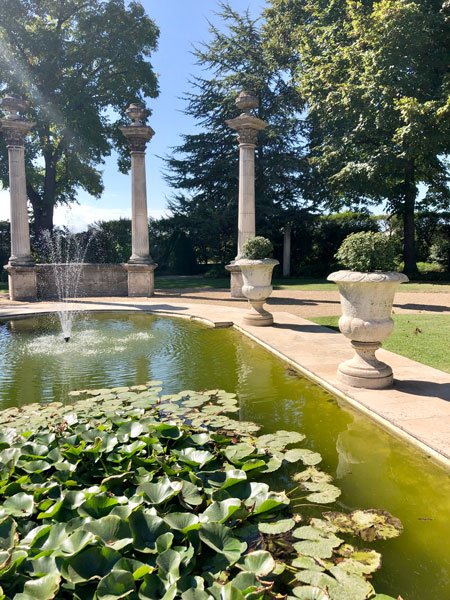
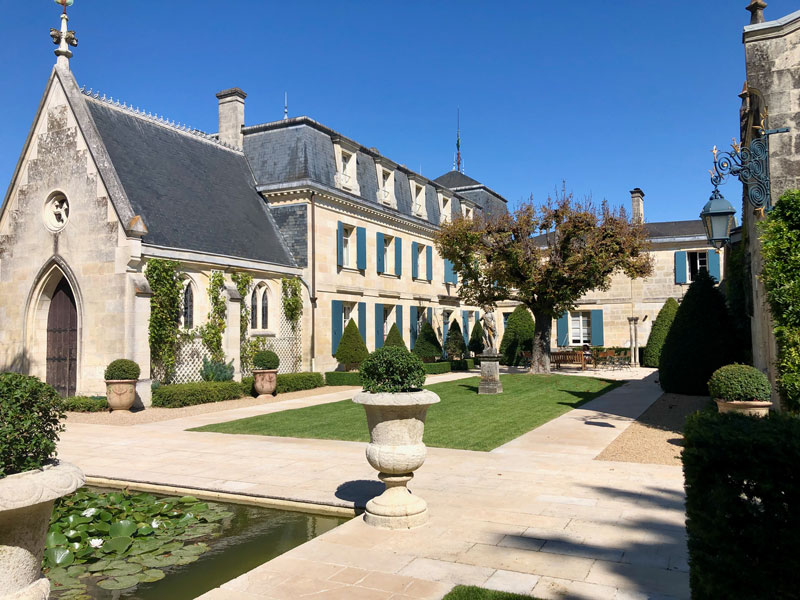
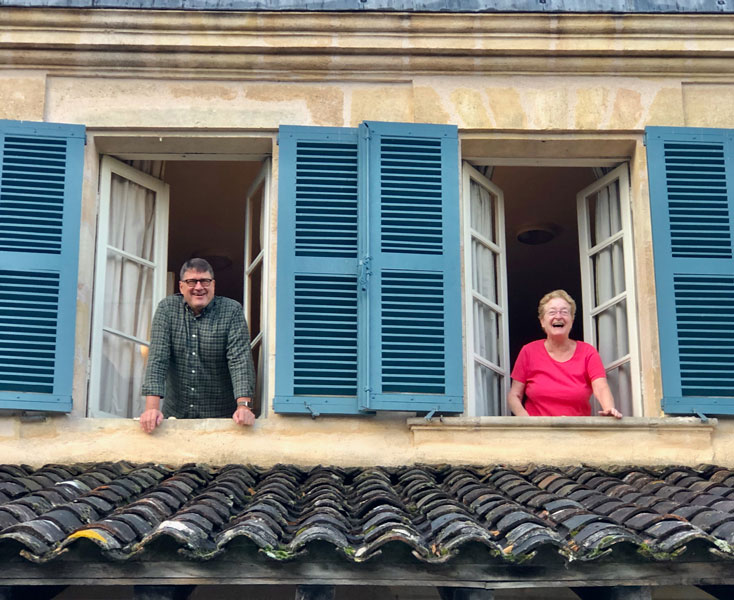
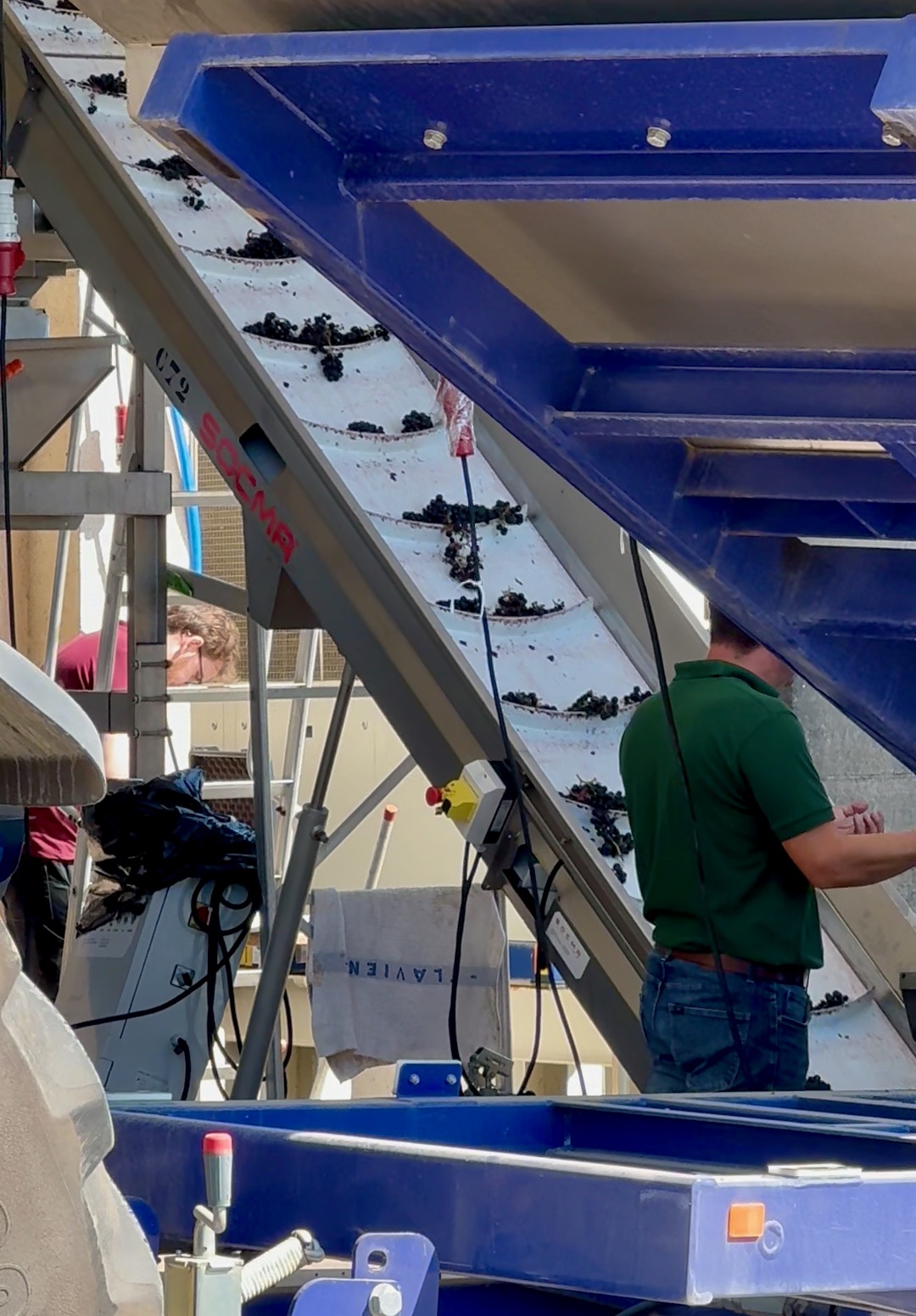
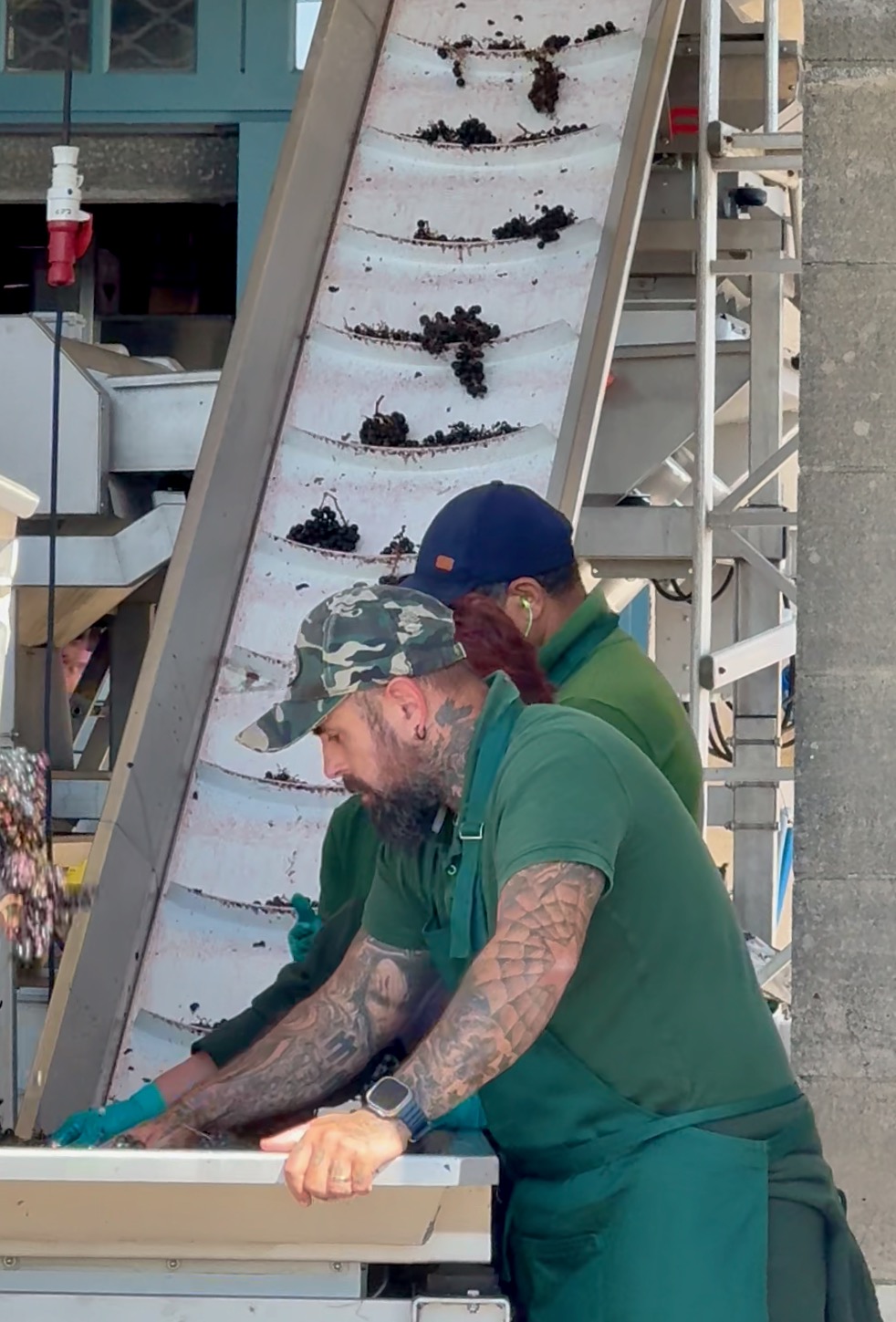
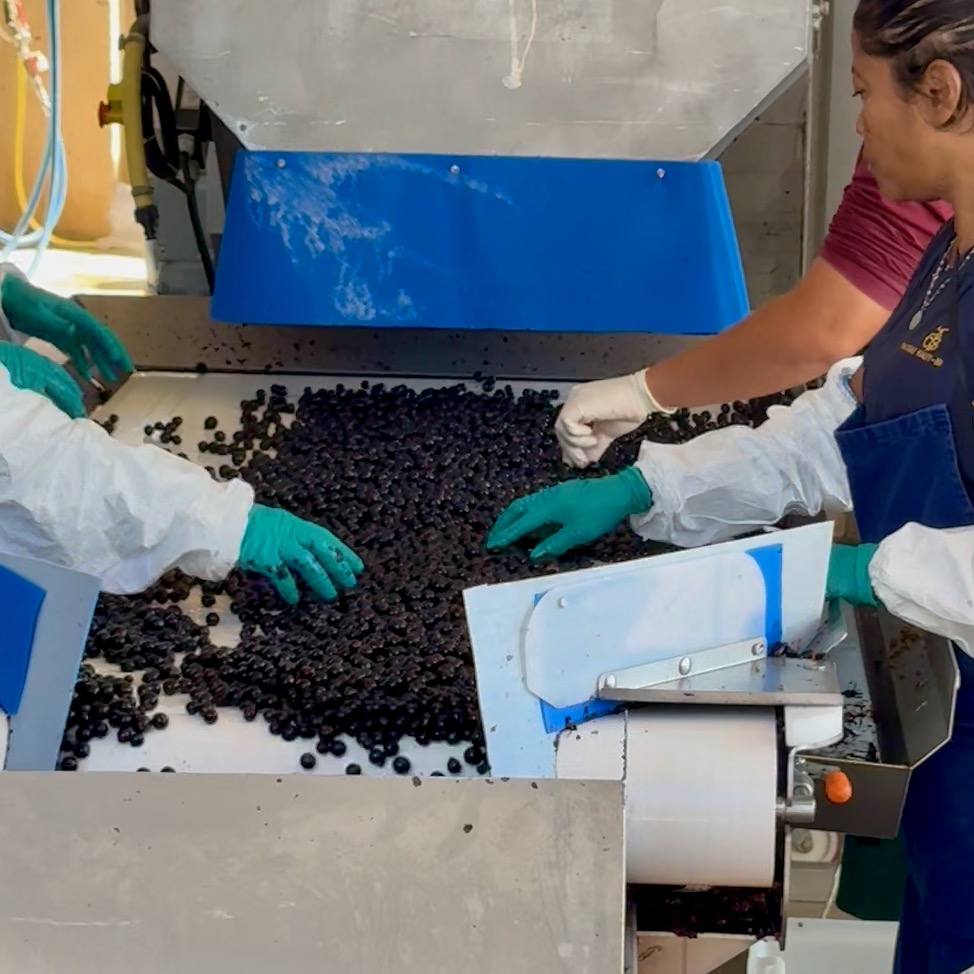
I think the following pictures visually sum up the incredible grounds and facilities of the château without the need for a lot of detailed explanation. Pretty much every inch of the outdoors was covered and photographed by at least one of our party. And we even had the unique opportunity to watch the first steps of the winemaking process: harvested grapes fresh from the field being sorted as they begin their journey to becoming alcoholic gold!
Exploring the estate
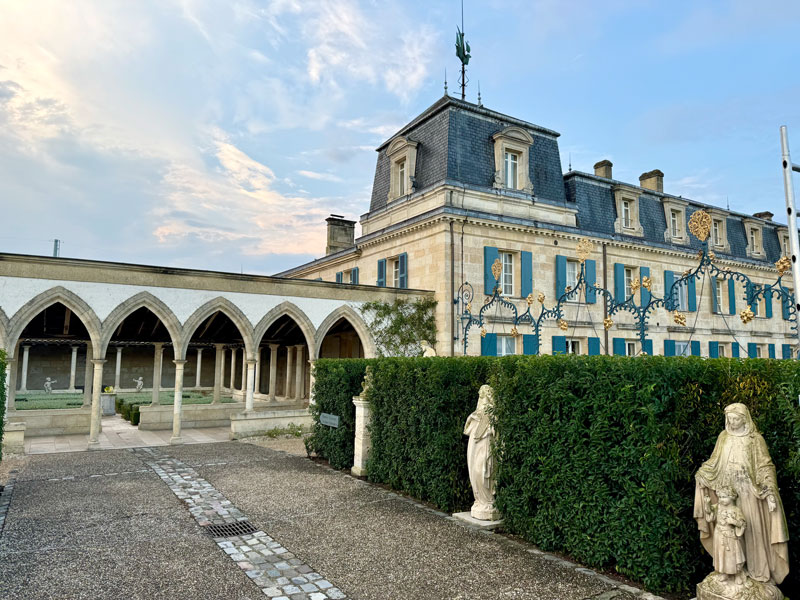
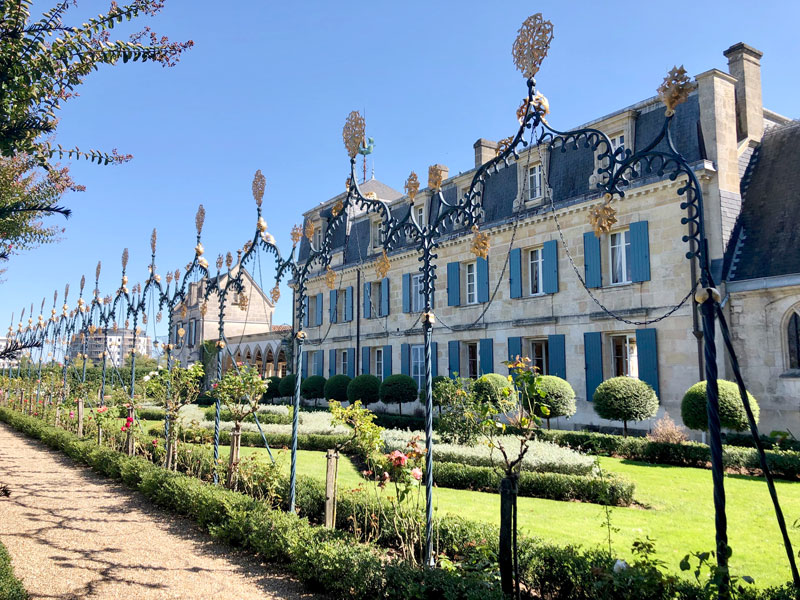
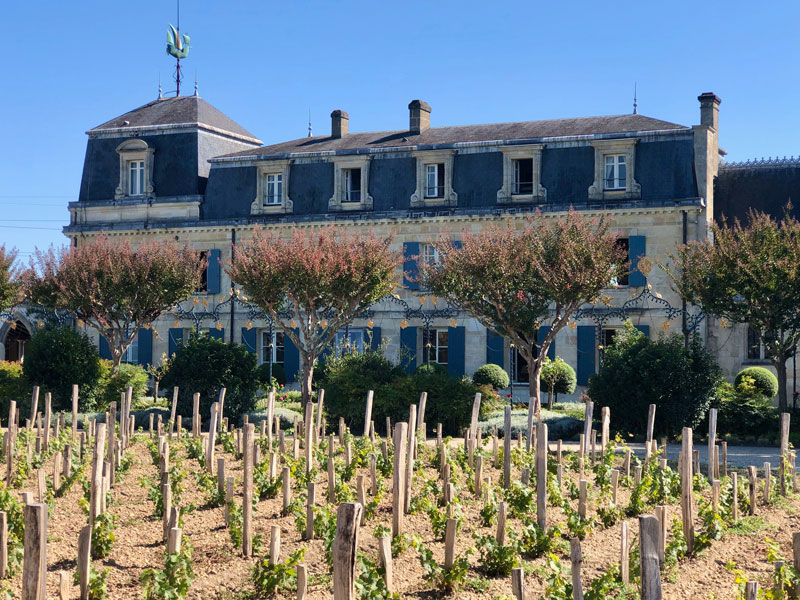
The cloister
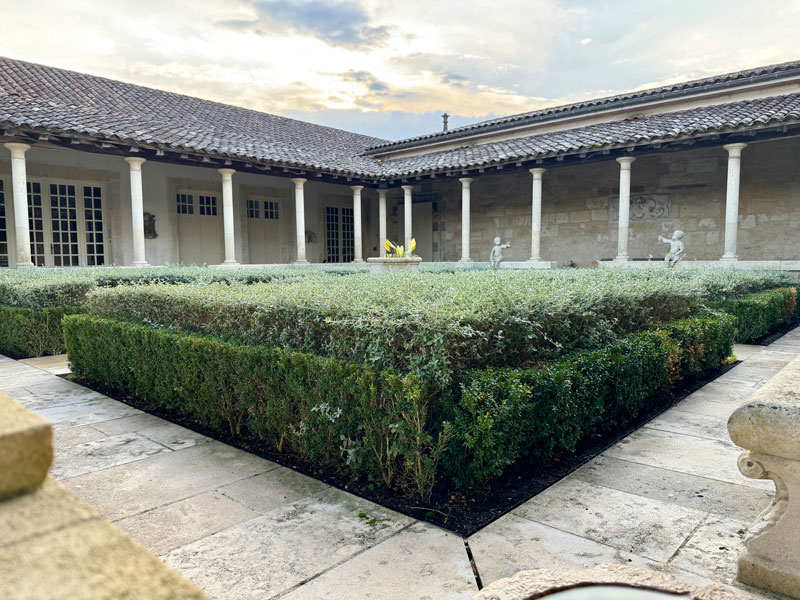
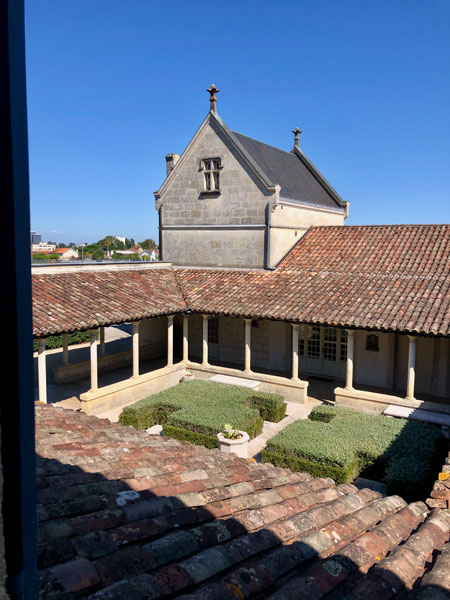
The courtyard
Interior rooms
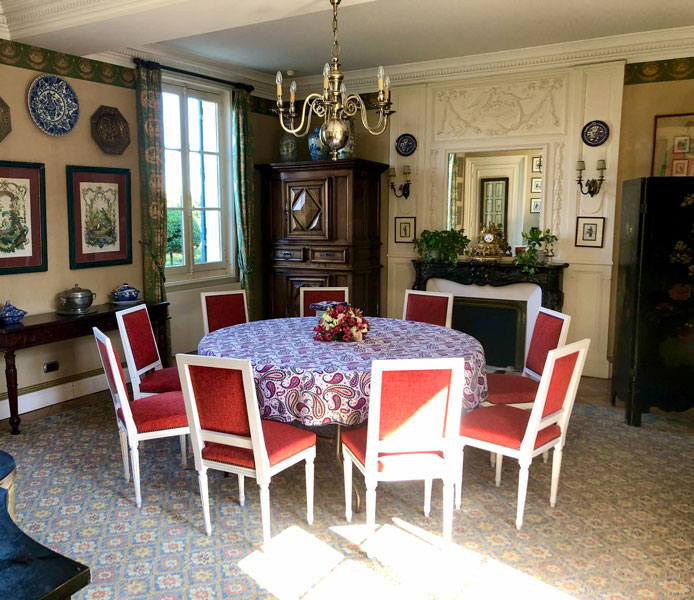
Little details around the estate
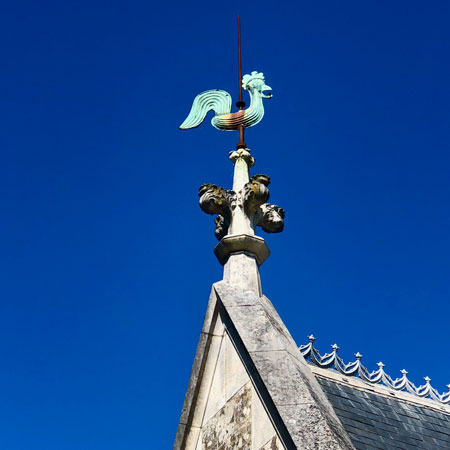
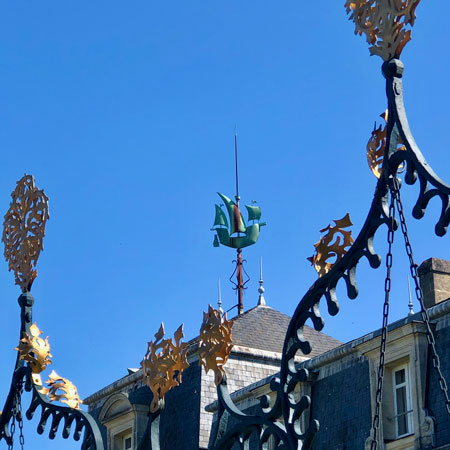
Wine futures: harvested grapes are unloaded
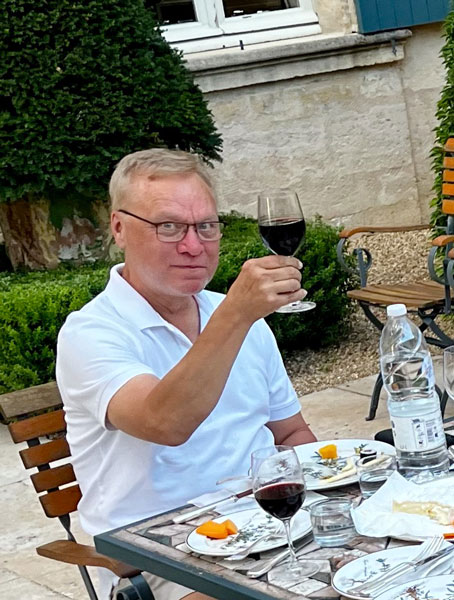
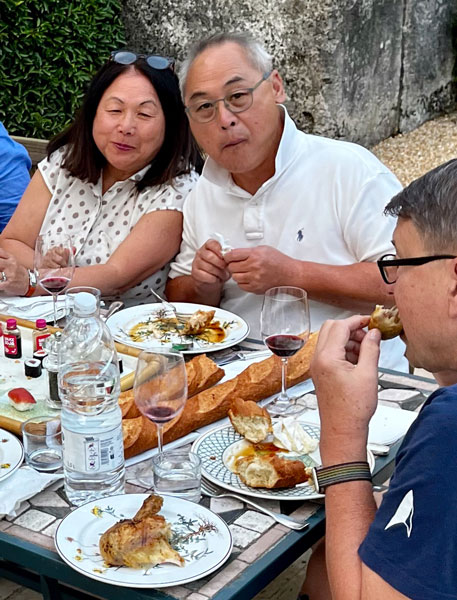
Dinner was a gluttonous affair due to some missed communication. During a late afternoon wine and snack session around the table, ideas for dinner were bandied about. Everyone there (sans the Greathouses) was on board for ordering pizza…if we were able. (We were.) Unbeknownst to us, though, Dan had been busy doing his own thing and was unaware of the plans. After he had prepared the array of wines for dinner, many from Mouton Rothschild, he left to pick up sushi, roasted chickens and more for dinner as well. There was so, so much food.
We ate. We drank. We talked. We drank more.
Dinner in the courtyard
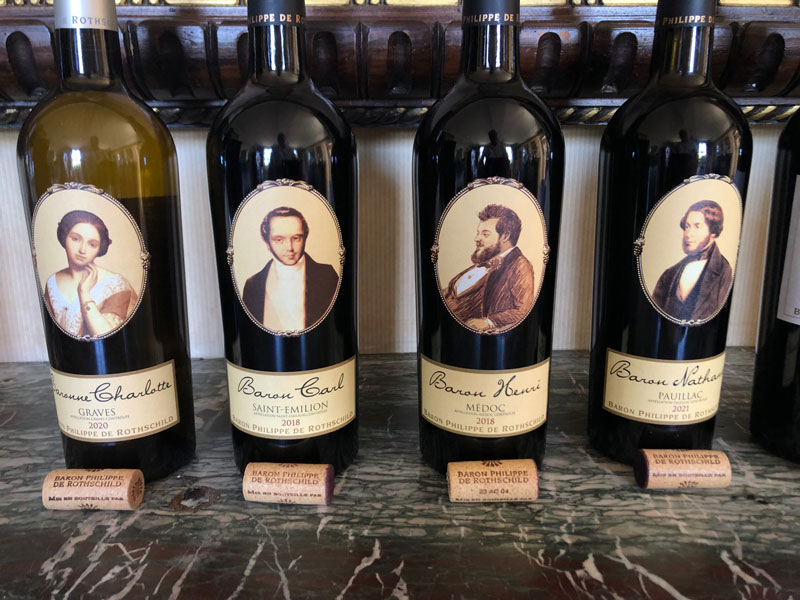
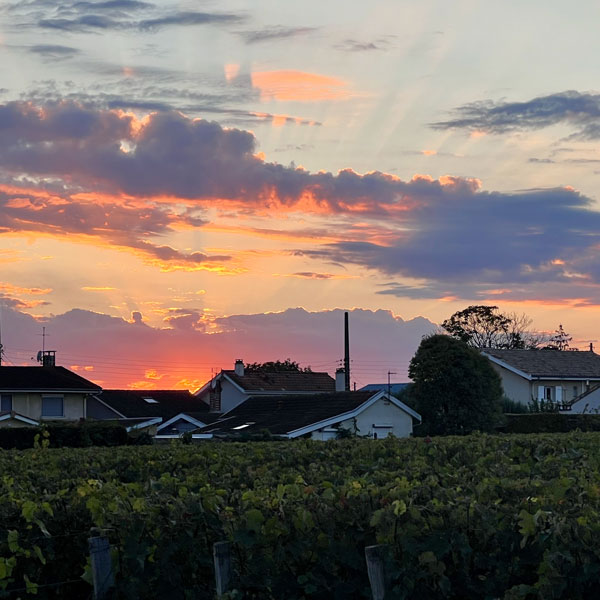
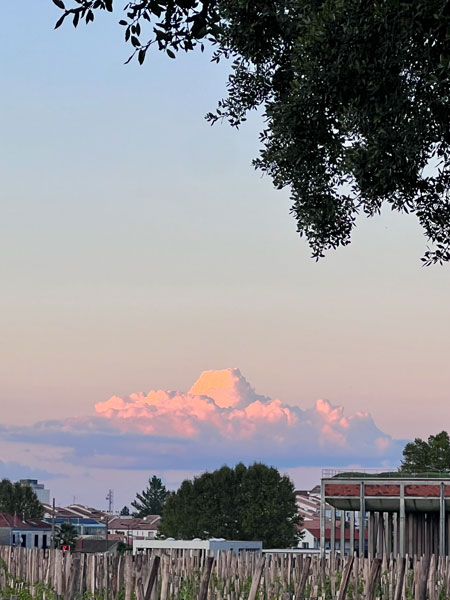
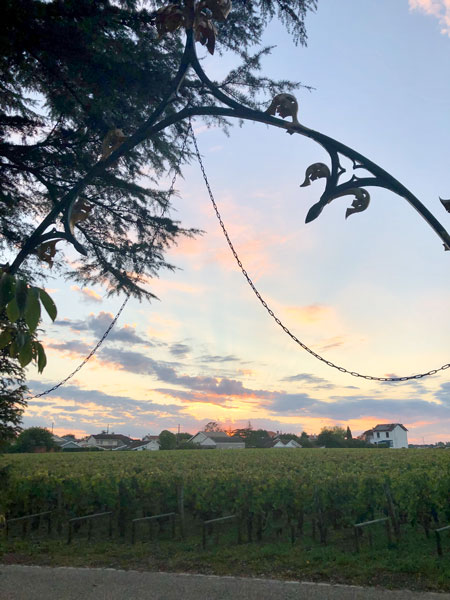
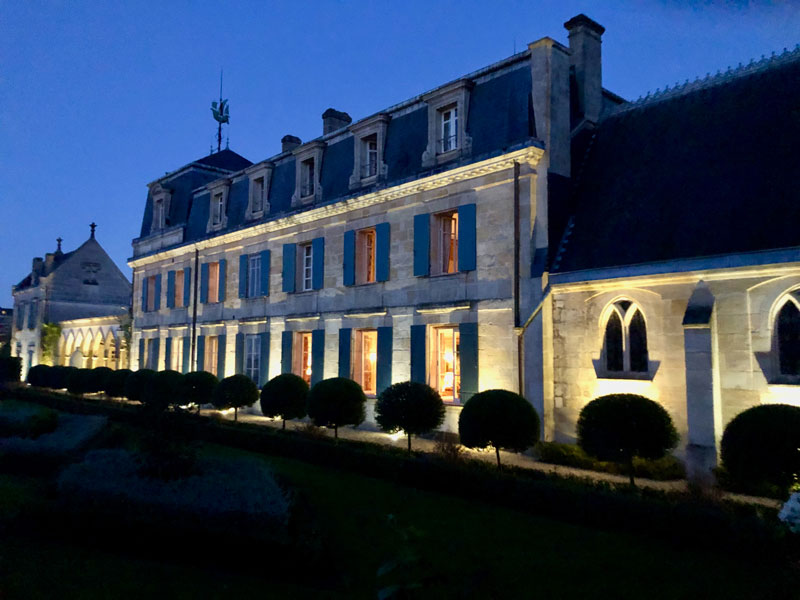
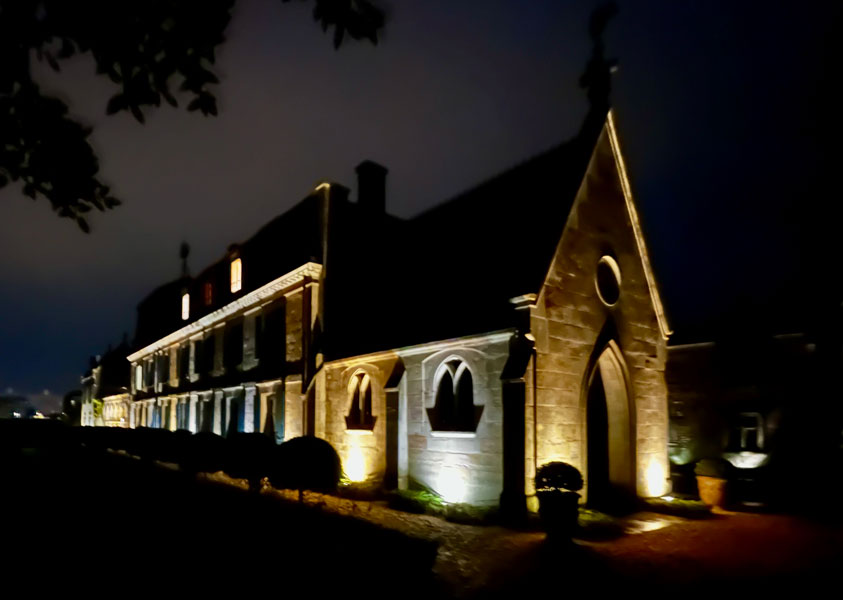
After satiating our hunger (and thirst), we went en masse to the vineyard’s edge to watch and capture the colorful sunset. With darkness came the accent lighting on the house and chapel. And, as night crept across Bordeaux, people downed their last sip, cleaned up, and retired for the evening, to sleep, perchance to dream…of tomorrow in Paris.
Sunset across the vineyards
Night fall: the château illuminated
 Bordeaux